Learn to Code with AI and Sports

Programmatically analyze sports statistics with Python & Cursor

About the Class

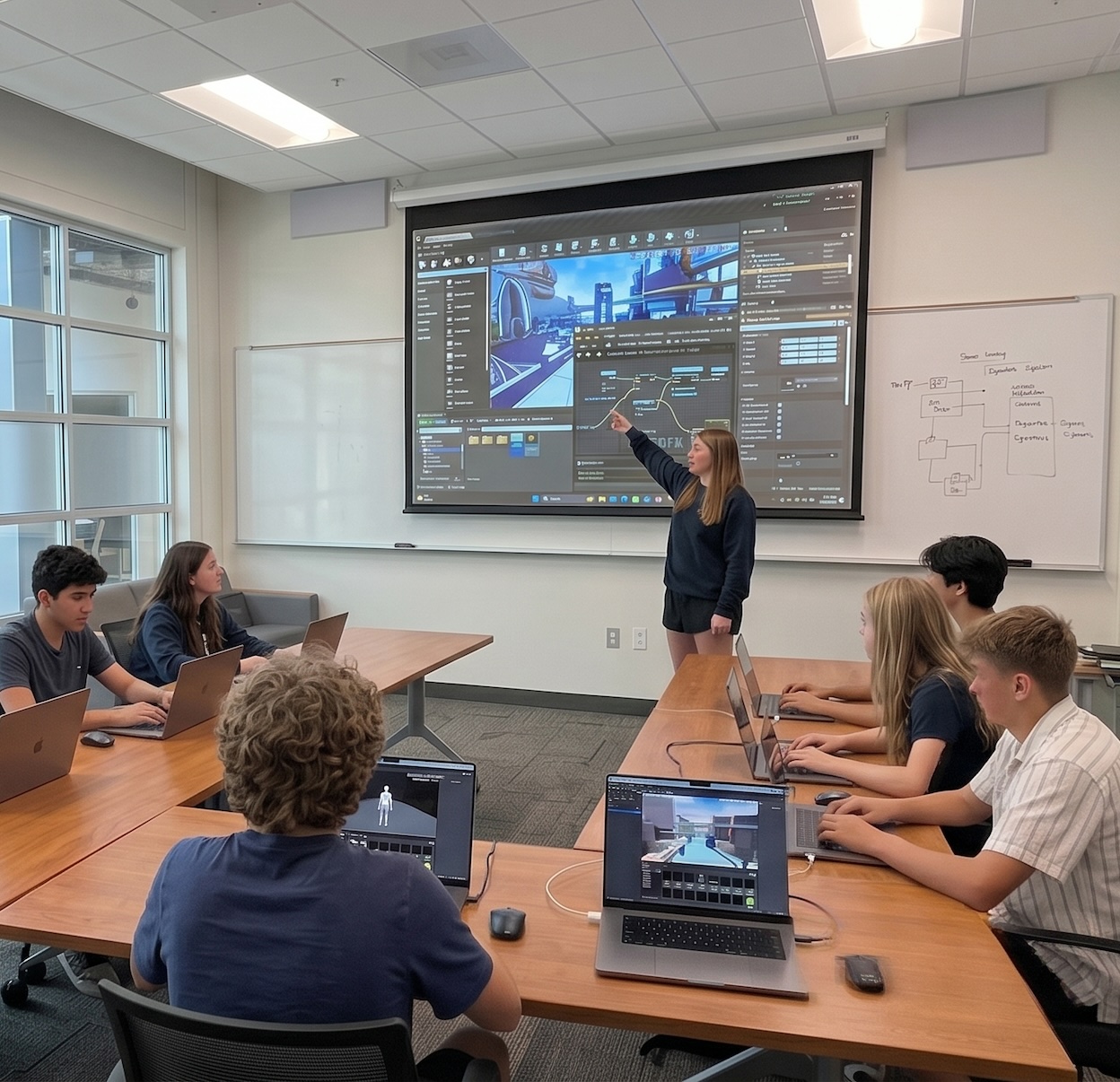
If you love sports and want to learn how coding works in the real world, this class is the perfect place to start. You’ll learn Python by analyzing the statistics of your favorite sport, whether that’s football, basketball, baseball, volleyball, tennis, or anything else you follow. Each week you’ll write simple programs that turn real data into charts, comparisons, and insights, giving you a fun and practical introduction to programming and data analytics.

The class is designed for high school students but is open to anyone ages 13 and up, including adults who want a more engaging way to learn to code. No previous experience is needed, and students only need a laptop (Mac or PC).

Homeschool students who take this class along with Learn to Code with AI and Music, Games & Media can count the two together as one credit of computer science if they attend the full semester. A syllabus is available for that purpose; contact us to request a copy before the class begins.

Why Come?

📊 Learn Python through real sports statistics
🏈 Work with data from the teams and players you actually follow
📈 Create charts and visualizations you can share
🤝 Learn alongside other sports fans and aspiring coders
🚀 Build foundational coding skills in a fun, approachable way

Location:

Bletchley Commons
411 University Ridge
Greenville, SC 29601

Course Details
Calendar Icon Eduhub X Webflow Template | Brix Template
When:
Wednesdays
Jan 14 - Feb 25
Time Icon Ligth Eduhub X Webflow Template | Brix Template
Start:
4:30 PM
Time Icon Ligth Eduhub X Webflow Template | Brix Template
End:
5:30 PM
Location Icon Eduhub X Webflow Template | Brix Template
Where:
411 University Ridge

Course Outline

The Most Amazing Statistical Achievement
in U.S. Sports History

Analyze insane outlier performances — from Simone Biles’ 11 Olympic and 30 World Championship medals to Wilt Chamberlain’s legendary 100-point game.

Learn how to set up your coding environment, run your first real program, explore sports data files, and use AI to guide you as you build your first sports analysis.

Build A Player Rating System

Create a custom player rating — like the overall score you see in sports video games — and watch the rankings shift as you tweak the inputs.

Learn how programs use numbers, variables, and calculations to turn raw stats into meaningful ratings.

Who’s Heating Up? Season Trend Tracker

Break down real game logs to spotlight players on hot streaks — with charts that show who’s surging and who’s slowing down.

Learn how code scans through many games at once using lists, loops, and basic data structures.

Team Breakdown: Become a Sports Analyst

Load full seasons of sports data to compare teams the way analysts do on ESPN — scoring, pace, efficiency, and more.

Learn how to filter, sort, group, and search inside large datasets to uncover hidden patterns.

Your Personal Scouting Report Generator

Pick any athlete and instantly generate a scouting report with strengths, weaknesses, standout plays, and statistical highlights.

Learn how different datasets connect, how to clean messy information, and how programs produce polished summaries.

Predicting the Future: Points, Performance & Breakouts

Build a simple prediction model that estimates how many points a player will score based on their recent performance and playing time.

Learn the basics of prediction, trends, and how computers find lines and patterns in data.

Shot Chart Studio: Heatmaps Like the Pros

Visualize thousands of real shot locations to create NBA-style heatmaps and shot charts — just like the ones used in TV broadcasts.

Learn how to work with coordinates, filters, and visual layers to turn raw event data into striking graphics.

Register To Attend

Please see the course requirements and dates above before registering to attend. If you have multiple attendees, please sign them up separately.

Thank you! Your registration has been received!
Oops! Something went wrong while submitting the form.